2 min read
Do the people I invite need an account?
No. A name they type is the whole of the identity, and nothing they submit appears until you approve it. Spam is answered by moderation, not a signup wall.
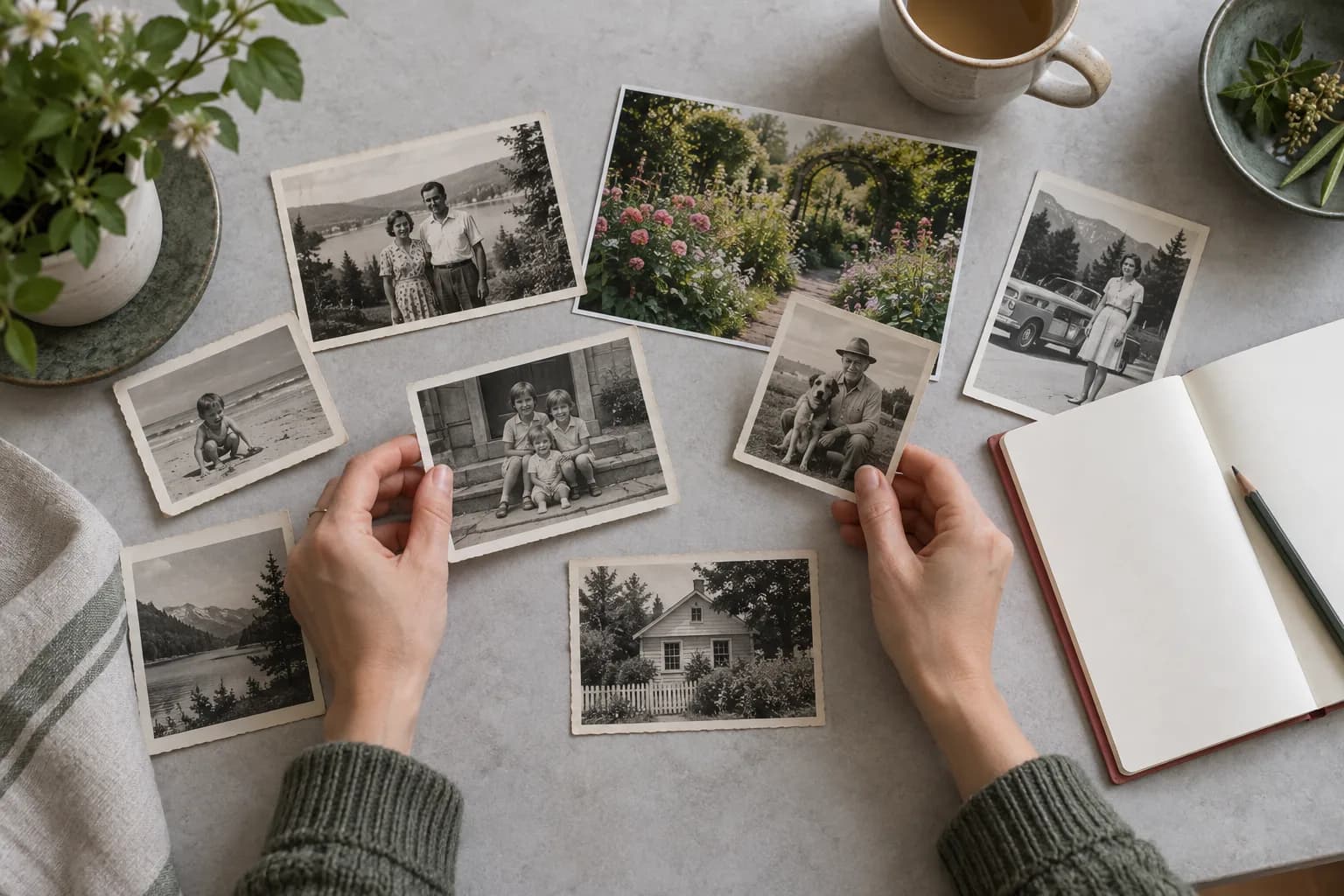
No. Anyone you invite can add a photograph, a note or a voice message without making an account, downloading anything or choosing a password. A name they type is the whole of the identity.
Nothing they submit appears until you approve it.
Why it works that way
The person most worth hearing from is frequently the least likely to sign up. If adding a voice note to your granddaughter's memory requires creating an account, verifying an email and picking a password, the voice note does not get added.
That is not a hypothetical about older relatives being bad with technology. It is true of anyone answering a message between other things, which is everyone.
Every step between tapping a link and being finished is a place people stop, and the signup step is the largest one available.
The cost, and what covers it
The obvious objection is that a link anyone can use is a link anyone can misuse. That is real, and the answer is moderation rather than a wall at the front.
Nothing a contributor submits reaches the shared memory until the person who bought it approves it. So the failure mode of an open link is that you see something you did not want and decline it — not that it appears.
That is a better trade than the alternative, where the wall keeps out the aunt with the photograph nobody has seen along with everything else.
What contributors actually do
Tap the link. Type a name. Add a photograph, or a few sentences, or record something. Close the tab.
Ninety seconds, on a phone, with no account and nothing installed. That is the whole of it, and it is worth saying explicitly when you send the link, because people assume otherwise and postpone accordingly.
What you can see that they cannot
Contributors see the link and their own submission. They do not see the rest of the memory, the other contributions, or who else was invited.
That is deliberate and it matters for a memorial in particular, where somebody sending a photograph should not be shown the eleven that arrived before theirs. It also means the surprise survives — a contributor cannot accidentally reveal what a piece has become to the person it is for.
More on the asking itself in how to get relatives to actually send you the photos.