3 min read
How to Compose a Scenic Photo
Compose a scenic photo by placing your subject off-center using the rule of thirds, keeping the background for context, and cropping out distractions.
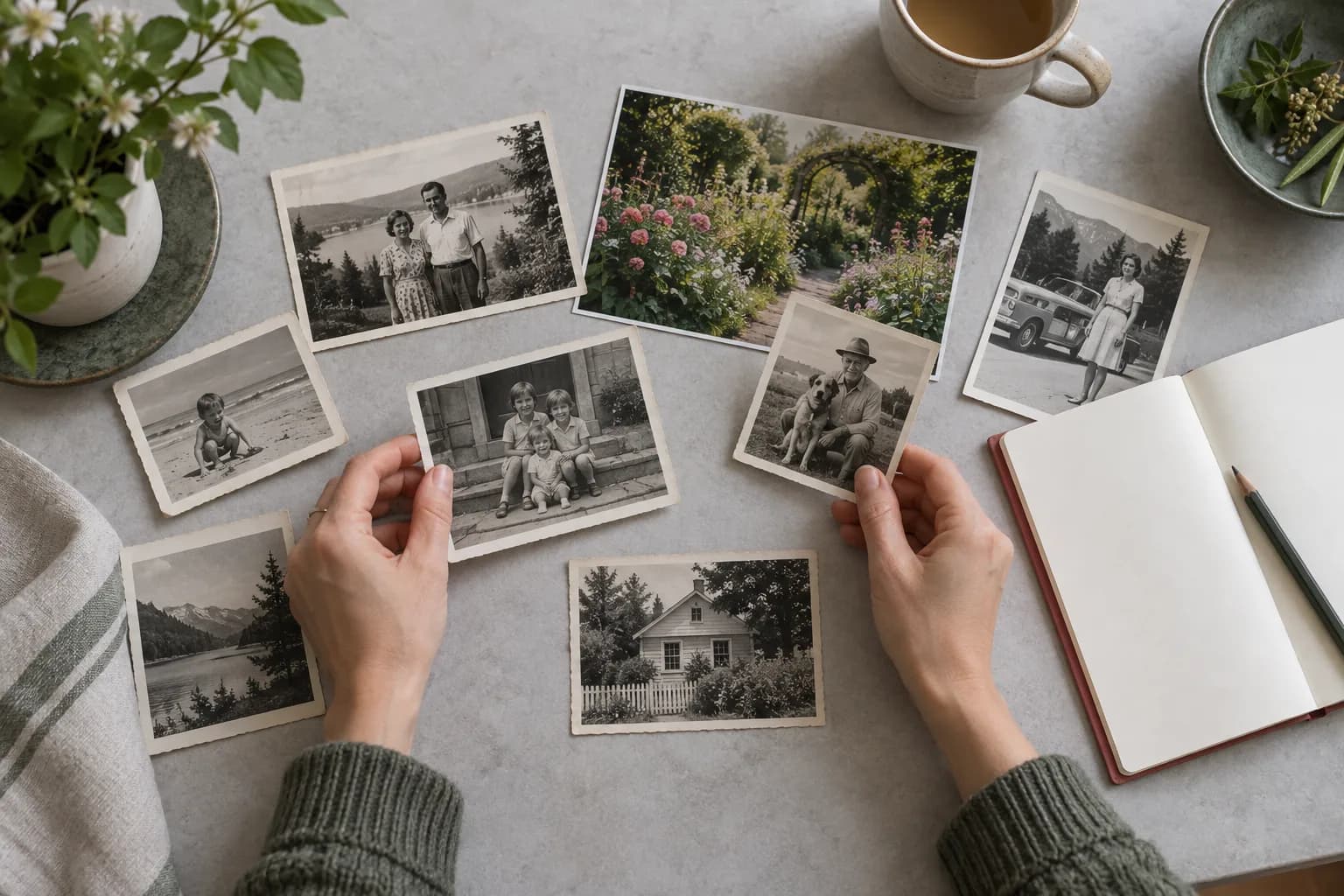
To compose a scenic photograph with a clear subject, use the rule of thirds as a compositional guideline, include background context for a sense of place, and evaluate the frame for distracting elements Photography Tips | Institute Communications, Photography Tips | Penn State College of Health and Human Development.
Using the rule of thirds for subject and horizon placement
The rule of thirds is a guideline applied to composing films and photographs that asks you to imagine an image divided into nine equal parts by two equally spaced horizontal lines and two equally spaced vertical lines Photography Tips | Institute Communications. The main reason to observe this guideline is to discourage placing the subject at the center Photography Tips | Institute Communications. Aligning important compositional elements with these lines or their intersections creates more tension, energy, and interest than simply centering the subject Photography Tips | Institute Communications.
You can apply the rule of thirds by placing the horizon on the top or bottom line, which prevents a horizon from appearing to divide the picture in half Photography Tips | Institute Communications. Additionally, you can allow linear features in the image to flow from section to section Photography Tips | Institute Communications. As a practical suggestion, look for naturally occurring horizontal or vertical lines in your environment to practice aligning these features.
Including context to establish a sense of place
When composing your shot, have your subject clearly in focus but try to include the whole scene to add background context Photography Tips | Penn State College of Health and Human Development. Be sure to leave in anything that is essential to the context of your story, which is called giving your photo a "sense of place" Photography Tips | Institute Communications.
Experiment with different angles and perspectives by taking photos from both high and low vantage points Photography Tips | Penn State College of Health and Human Development. As a suggestion, physically walking around your subject can help you evaluate how the background shifts from these different perspectives.
Managing foreground and background distractions
Pay close attention to the foreground and background of your image to make sure there isn't anything distracting that would take away from the strength of the image Photography Tips | Penn State College of Health and Human Development.
If unwanted elements remain, cropping out background and foreground objects redirects focus to what supports your story Photography Tips | Institute Communications. This is especially true when there are words or random people in the shot, and anything that breaks the flow of the story or distracts should be cropped out Photography Tips | Institute Communications. As a suggestion, review the edges of your frame before finalizing any crop to ensure no partial objects pull attention away from your main subject.
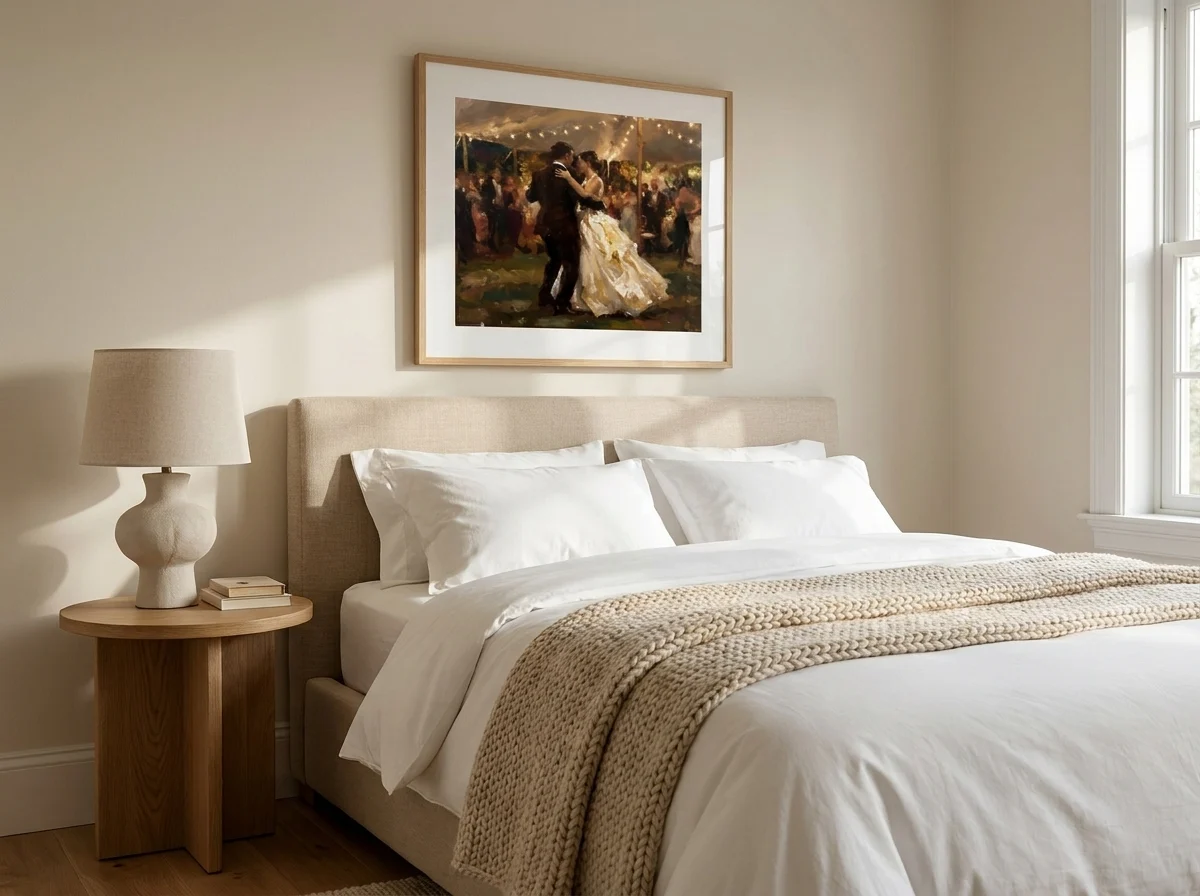
Personalized framed art
Give a moment as a painting
Send us a photo and the story behind it. We paint it stroke by stroke in the style you choose, frame it by hand, and you approve it before it prints. Add a note, a song and a living memory.
Framed from $179 · Free to start · Nothing is ordered until you approve