3 min read
Storing Old Photo Albums Without Damaging Them
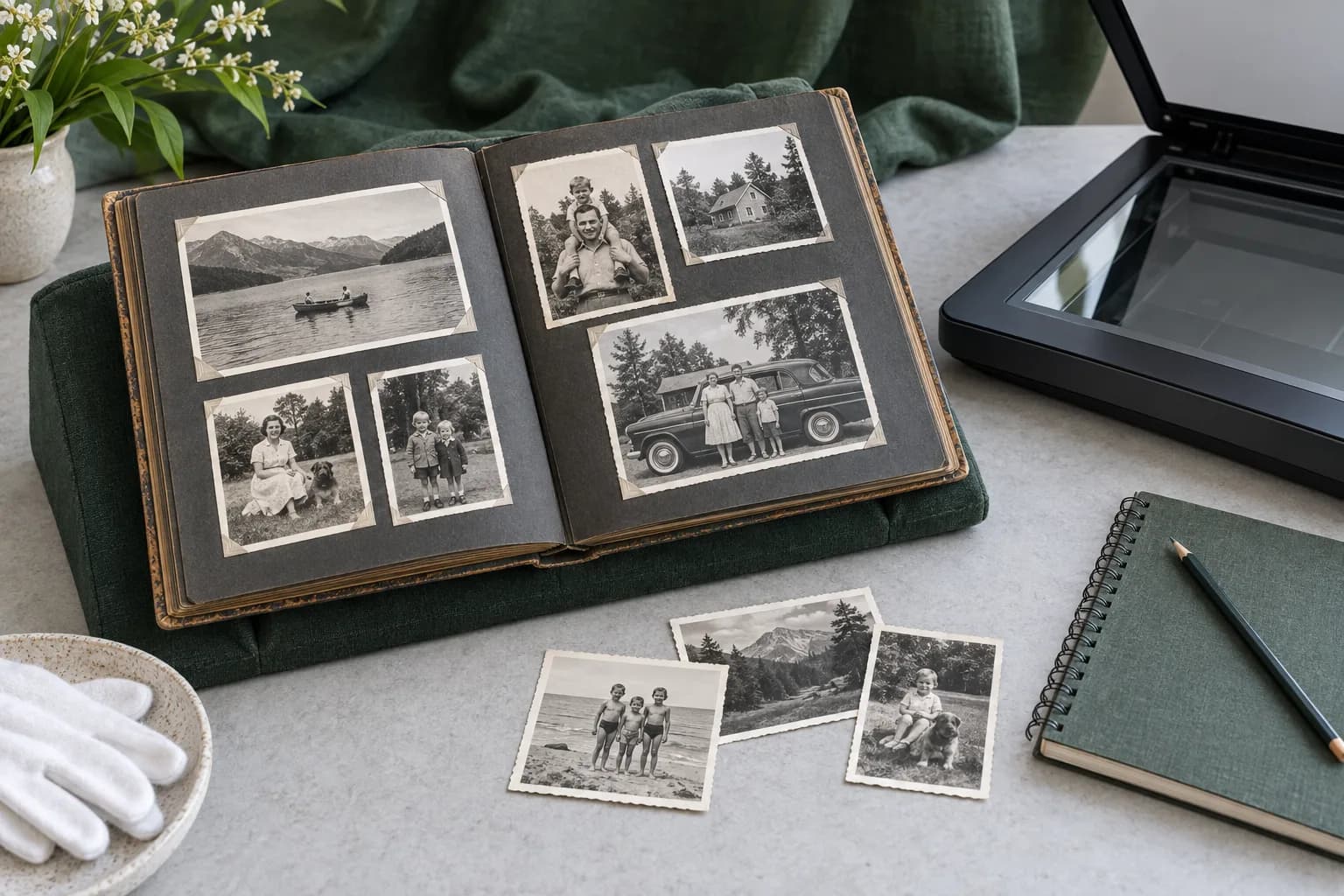
Store old photo albums in stable, breathable boxes off the floor. Keep them away from damp basements or hot attics to prevent damage over the long term.
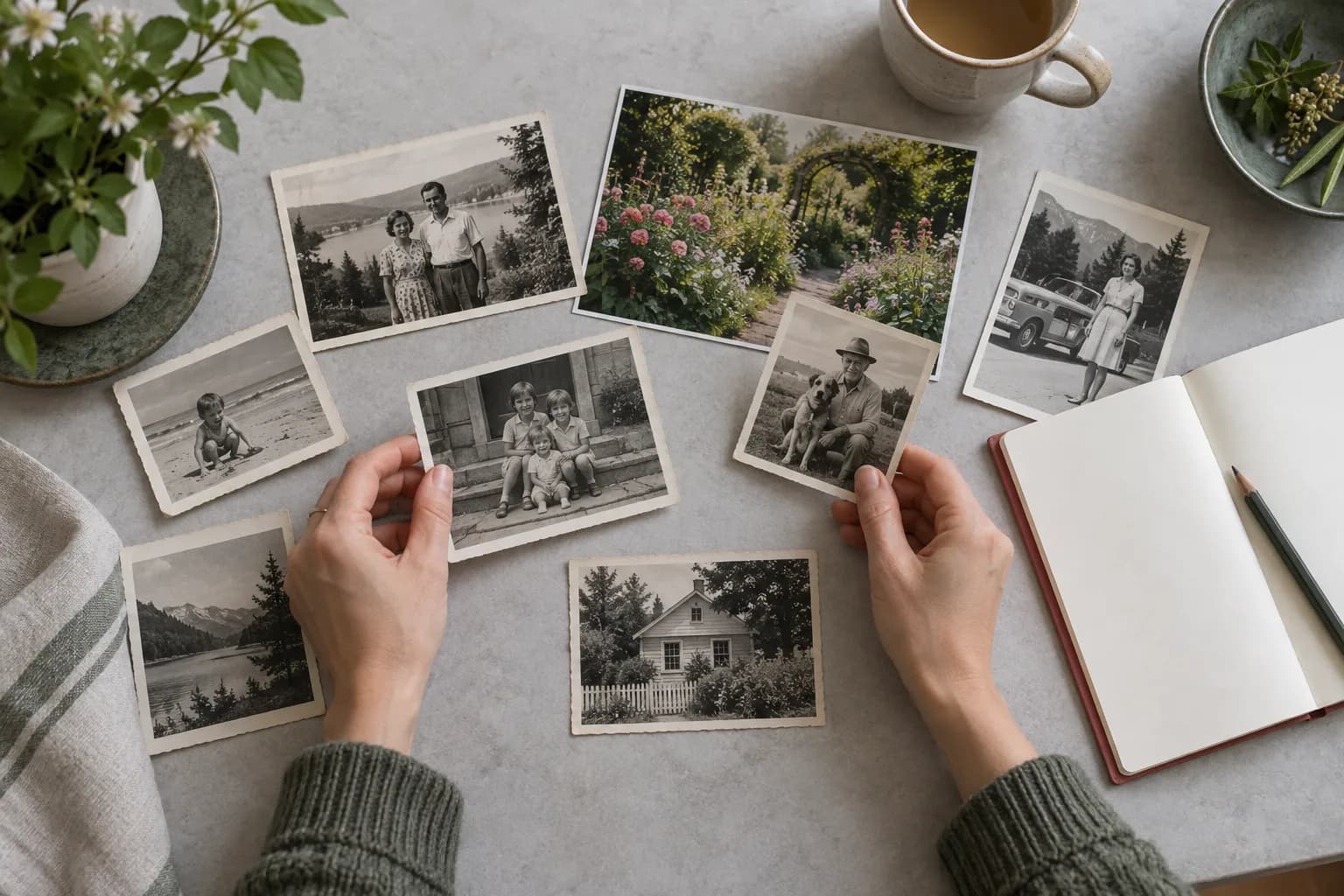
Store old photo albums in rigid containers on shelves in climate-controlled areas, keeping them away from damp basements or hot attics. Avoid overfilling the storage boxes so the bindings can rest flat. For the albums themselves, bypass self-stick magnetic pages and select stable plastic materials that pass the Photographic Activity Test.
Choosing the Right Environment for Old Albums
Store family albums in climate-controlled areas on shelves above the floor to protect them from likely leaks (https://www.archives.gov/preservation/family-archives/storing). Avoid placing family papers and albums in locations prone to extreme temperature or humidity shifts. Common residential spaces such as damp basements, garages, or hot attics are unsuitable for long-term album storage (https://www.archives.gov/preservation/family-archives/storing). Keep storage units positioned off the ground to limit the risk of water damage.
Selecting Safe Storage Boxes
Place albums inside rigid containers that allow the originals to rest flat without bending (https://www.archives.gov/preservation/family-archives/storing).
Suggestion: Match the box size to the album dimensions, but check that containers are not overfilled. Cramming albums tightly into a confined space causes long-term structural stress (https://www.archives.gov/preservation/family-archives/storing). Giving each album enough room allows the bindings and pages to rest flat without being compressed by adjacent objects.
Before moving fragile prints from old pages, it helps to review how to digitize photos in an old family album.
Identifying Harmful Magnetic Pages
Evaluate the existing album pages before committing them to long-term storage. Avoid storing photos in self-stick magnetic albums, PVC, or unknown plastics that degrade heavily over time (https://www.archives.gov/preservation/family-archives/storing).
Look for stable page and sleeve materials instead. Stable photographic enclosures include specific plastics like polyester, polypropylene, and polyethylene (https://www.archives.gov/preservation/family-archives/storing). Verify that any new photographic enclosures used for your albums pass the Photographic Activity Test for long-term stability (https://www.archives.gov/preservation/family-archives/storing).
Safely Attaching Loose Photographs
Once you have selected stable album pages, use traditional photo corners to mount items securely. This approach allows you to attach photographs to the page without applying any adhesive directly to the original prints (https://www.archives.gov/preservation/family-archives/storing).
Keeping adhesive off the original paper is central to responsible storage. If you plan to reproduce the print later, knowing how to scan old family photos for printing is easier when the corners can simply be slipped off without pulling at old glue.
Deciding Which Photos to Frame and Which to Store
When moving prints out of failing bindings, you may choose to display a few while storing the rest. In a MemoryFrame scenario, the best print and the best story are different photographs, and the product currently makes you choose.
For example, the baby holding a slice of pizza the size of her torso is the one you would frame. Oklahoma as the last green hole is the one you would tell someone about. Recognizing this distinction makes it clear why the worst photograph might have the best story.
Limit: You currently have to pick between the two. The one that makes the better object goes on the wall as the framed artwork, while the other remains the narrative focus. The photograph that does not get framed belongs in the written story, where it still reaches whoever scans the final framed print.