2 min read
The best photograph and the best story are rarely the same one
The picture you would frame and the one you would tell someone about are usually different. You have to choose, and knowing that in advance helps.
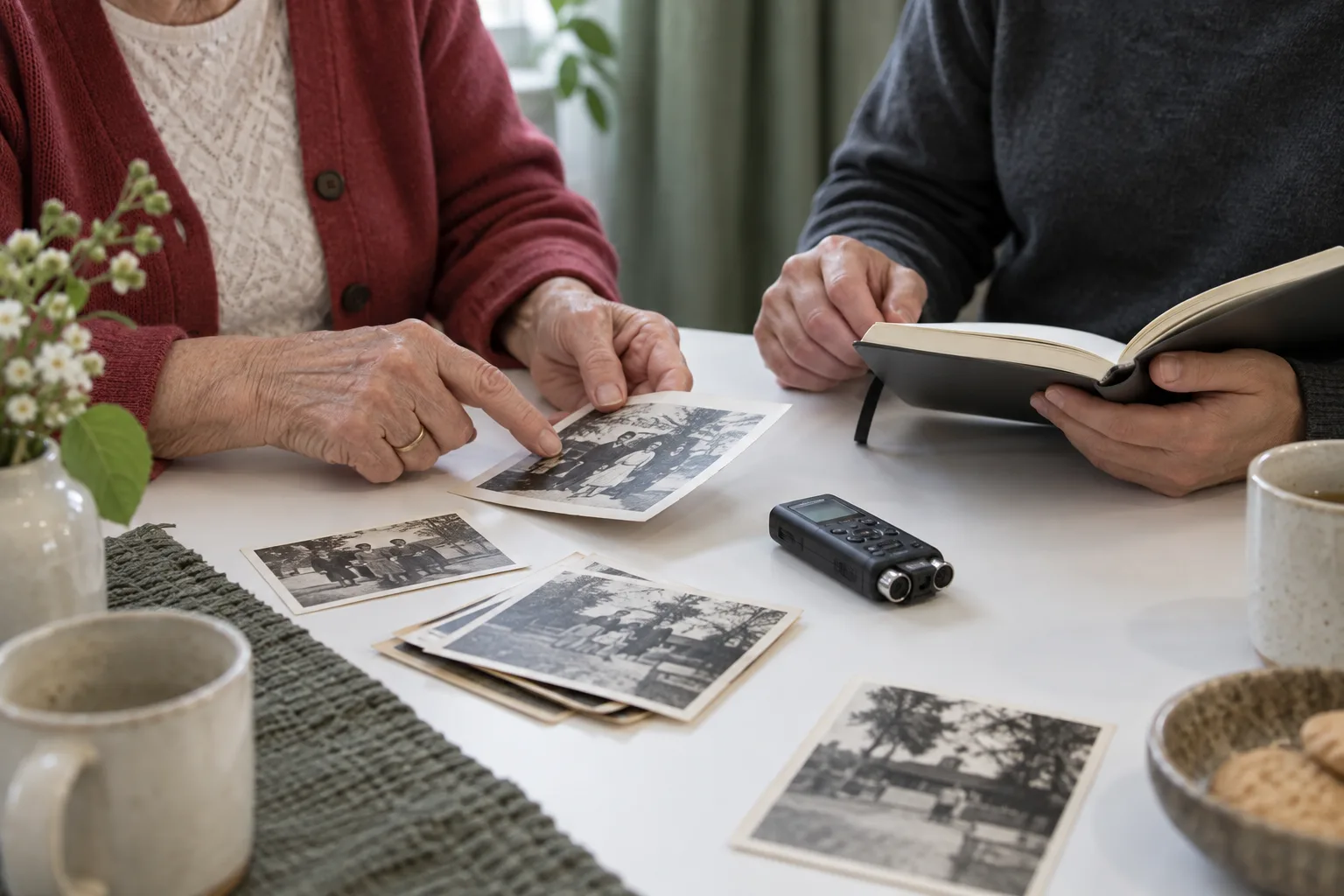
The photograph you would hang and the photograph you would tell someone about are usually not the same one. You have to pick, and it is easier if you know that before you start rather than discovering it halfway through.
What the split looks like
From one afternoon: a baby holding a slice of pizza the size of her torso, and a foam map of the United States with every state placed except Oklahoma.
The first is the one you would frame. It works as an object on a wall with no explanation attached. The second is the one you would tell someone about at dinner — it has a beginning and an end and a joke in it, and as a photograph it is a green hole in a floor.
Almost every set of photographs from a real day splits like this.
The rule that follows
An image that works on a wall rarely needs a long explanation. An image that needs a long explanation is rarely the one worth hanging on its own.
So: the picture goes on the wall, and the other one goes in the text. The story reaches whoever scans the print, which means you are not choosing between them so much as deciding which does which job.
How to tell them apart
Ask which one you would show a stranger with no words. That is the print.
Then ask which one you would start explaining before they had finished looking. That is the story, and trying to make it carry the wall as well usually produces a piece that does neither.
When they genuinely are the same photograph
It happens, and when it does you should take it — a picture that is both is worth more than two that are each half. It is rarer than people expect, and expecting it is what leads to an afternoon of scrolling looking for a photograph that does not exist.
More on the material that is in no photograph at all in the best part of a memory is often not in any photograph.
MemoryFrame
Make something from the photograph that matters
Bring your photograph and its story to MemoryFrame to begin a piece of artwork.
Start your MemoryFrame