3 min read
How to Store an Unframed Art Print Before Framing
Keep unframed prints safe by storing them flat in acid-free enclosures. Handle paper with clean hands and avoid direct light, heat, and damp areas.
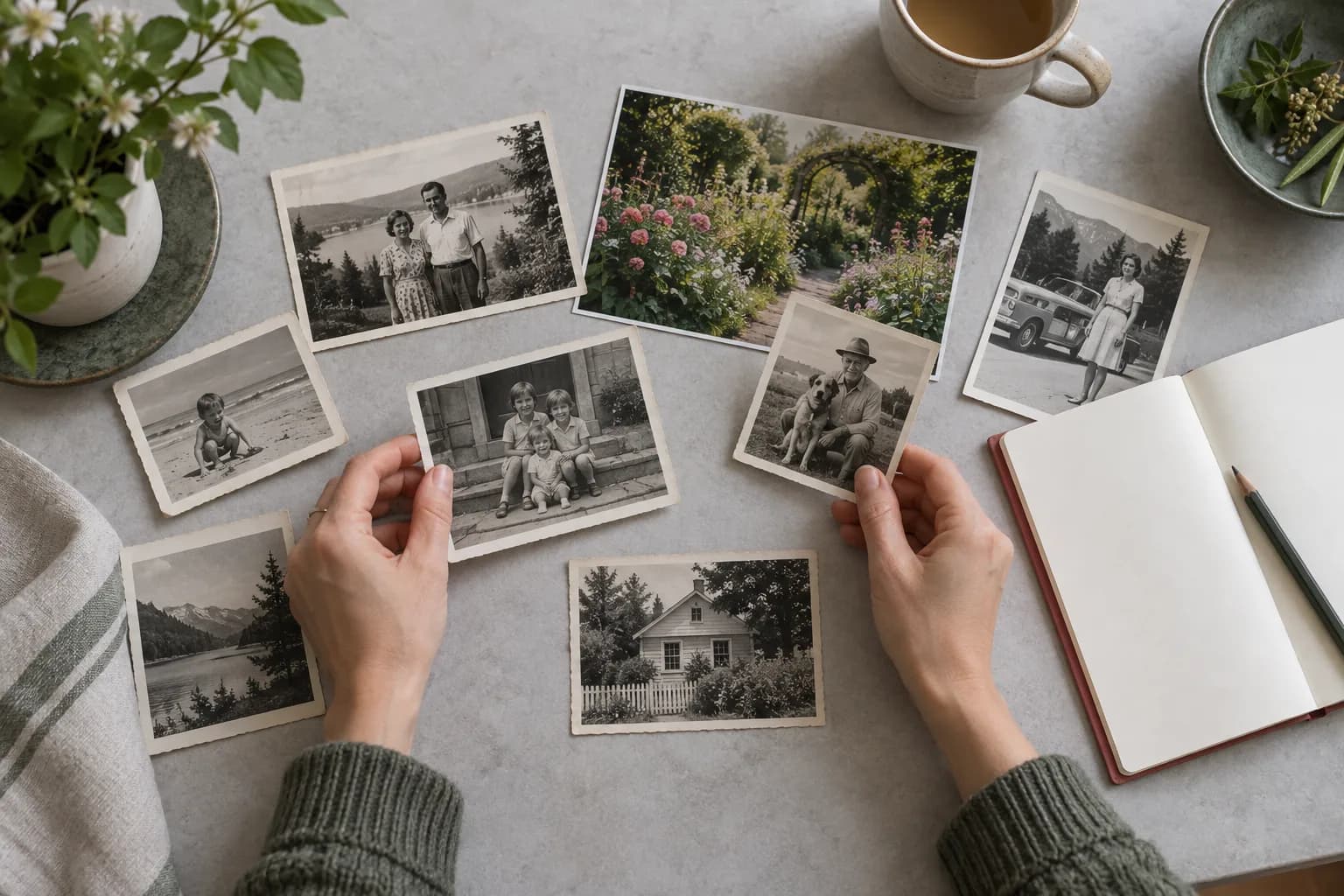
To safely store an unframed art print before framing, keep the paper flat between sheets of non-acidic interleaving tissue [Process - Tamarind Institute]. Good storage in a cool, relatively dry environment significantly prolongs the preservation of paper materials [Care, Handling and Storage of Works on Paper - Collections Care].
Handling unframed prints safely
When handling unframed prints, work with very clean hands or wear gloves to prevent dirt and smudges from affecting the value of your print [Process - Tamarind Institute]. Keep all food and drink away from the work area [Care, Handling and Storage of Works on Paper - Collections Care].
If you must handle the artwork, lift it by diagonally opposite corners to avoid creasing the paper [Process - Tamarind Institute]. Never use rubber bands, self-adhesive tape, glue, or paper clips on the paper [Care, Handling and Storage of Works on Paper - Collections Care].
Selecting supportive flat enclosures
Store the artwork flat inside acid-free and lignin-free folders, document boxes, or archival mats [Care, Handling and Storage of Works on Paper - Collections Care]. Layer prints between sheets of non-acidic interleaving tissue rather than resting them against corrugated board or wood, which are acidic materials with textures that can imprint onto your artwork [Process - Tamarind Institute]. Simple, non-acidic boxes will protect prints from environmental damage and are available from preservation suppliers [Process - Tamarind Institute].
Alkaline buffered storage materials provide a neutralizing effect on inherent acids as paper ages, but be aware that some media found on paper objects may be sensitive to an alkaline pH [Care, Handling and Storage of Works on Paper - Collections Care]. Avoid using polyester film sleeves for artwork with powdery media such as charcoal, pastel, pencil, or flaking paint; the film produces an electrostatic charge that can lift these materials [Care, Handling and Storage of Works on Paper - Collections Care].
Finding a stable room environment
Place the enclosure in a cool, relatively dry environment at or below room temperature, keeping it away from radiators and vents [Care, Handling and Storage of Works on Paper - Collections Care]. Avoid storing prints in basements, attics, or other locations with a high risk of environmental extremes and leaks [Care, Handling and Storage of Works on Paper - Collections Care]. The storage area should be clean and protected from vermin and insects, as silverfish, mice, and roaches are common despoilers of paper [Process - Tamarind Institute].
Keep the artwork out of intense daylight and bright artificial light, which can cause colors to fade and make papers discolor and become brittle [Process - Tamarind Institute]. Too much light remains harmful even when ultraviolet rays are filtered out, so expose your print only to moderate light for limited hours [Process - Tamarind Institute].
Consulting a conservator for condition issues
For condition problems that these storage measures insufficiently address, conservation treatment by a paper conservator may be necessary [Care, Handling and Storage of Works on Paper - Collections Care].

Personalized framed art
Give a moment as a painting
Send us a photo and the story behind it. We paint it stroke by stroke in the style you choose, frame it by hand, and you approve it before it prints. Add a note, a song and a living memory.
Framed from $179 · Free to start · Nothing is ordered until you approve